
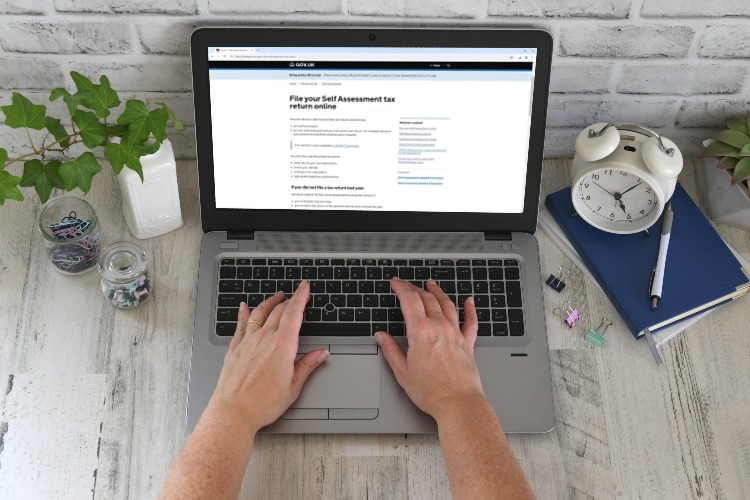

HMRC provide an online tool to enable you to check if you need to send a SA return.
If you need to register, you must do so before 5 October 2024 for the 2023/24 tax year.
The above deadline does not apply where HMRC have already asked you to file a tax return for the year. For example, if you already file tax returns for another reason but you start to receive a new source of income, then you would usually just report that new source of income on the relevant return.
Common situations falling within the criteria for needing to register are:
- you are self-employed (unless this income is within the annual £1,000 trading allowance)
- you are a partner in a business
- you are a company director and have income on which tax is due that is not taxed under PAYE
- you have property income – for example, you are renting out a room, a garage or a whole property to someone else (unless this income qualifies for rent-a-room relief or is within the annual £1,000 property allowance)
- you want to claim tax relief on employment expenses over £2,500 in a year
- you have untaxed income (HMRC might be able to collect any tax due on small amounts without you doing a full tax return, but you should always tell them about savings income of more than your personal savings allowance and dividends of more than the dividend allowance)
- you have capital gains tax to pay which hasn’t already been paid in-year
- you are a minister of religion – any faith or denomination
- you are a trustee or the executor of an estate
- you receive regular annual income from a trust or settlement, or you receive income from the estate of a deceased person and further tax is due
- you have foreign income on which UK tax is due (there is a specific exclusion if your foreign income consists solely of dividends which will be covered by the dividend allowance)
- you need to make a claim for relief under a double tax agreement, or a claim for the remittance basis (where it does not apply automatically)
- you are non-resident and you have taxable income in the UK
- you have income from taxable savings and investments of £10,000 or more before tax
- you have total taxable income of £150,000 or more before tax (up to 2022/23, this threshold was £100,000).
- you or your partner receive child benefit and your adjusted net income is over £50,000 (or over £60,000, for 2024/25 onwards)
- you are liable to certain other tax charges, such as on ‘excess’ gift aid contributions or pension contributions
- you are liable to tax on a state pension lump sum which you deferred from before 6 April 2016
- you have tax due at the end of the year that cannot be collected via your PAYE coding notice in a later year
If you do not fall within these criteria, but income is still taxable – e.g. income from taxable savings exceeds £1,000 for a basic rate taxpayer, HMRC should still be notified.
You can check if you need to send a Self Assessment tax return here.
Please feel free to give us a call to discuss your situation and find out how we can assist you!