

A Clearer Look at the Trade-Offs — and What You Should Do Now
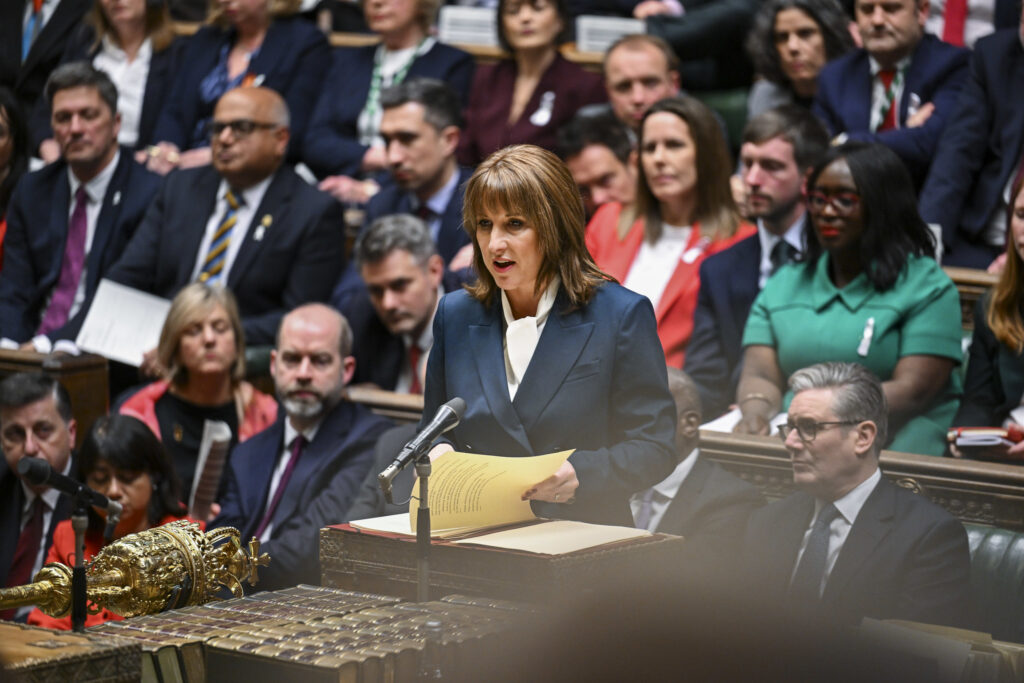
Chancellor Rachel Reeves has delivered the 2025 Autumn Budget — a statement defined by difficult trade-offs. While this Budget offers meaningful support for low-income families, it also raises substantial new revenue through tighter limits on savings incentives, higher taxes on assets, and “stealth” increases via frozen thresholds.
Headline tax rates remain unchanged. But with allowances shrinking and thresholds frozen until 2031, many individuals and businesses will face higher effective tax bills over the coming years.
The underlying message, echoed by many financial analysts:
Now is the moment to reassess financial plans, savings strategies, and business models.
Core Budget Measures:
Stability on Rates, Stealth in Delivery
1. Income Tax Threshold Freeze (to 2031)
The Budget’s most powerful revenue-raising tool.
By extending the freeze on Income Tax and National Insurance thresholds to 2031, the government is relying on fiscal drag — pulling earners into higher tax bands as wages rise, without increasing the rates themselves.
Impact:
Millions more will drift into higher tax bands.
Existing higher-rate taxpayers will see a rising share of their income taxed at higher rates.
2. Targeted Wealth & Asset Taxes
The Budget shifts more of the tax burden onto wealth and investment.
Key measures include:
- A mansion tax on high-value residential properties
- Higher tax on dividends, savings income and rental income
Impact:
Landlords, affluent retirees, investors and high-net-worth households will feel the greatest pressure.
3. Limits on Tax-Advantaged Savings
Savings policy is being reshaped — sharply.
New measures aim to push savers toward investment-based products:
- Cash ISA allowance cut from £20,000 to £12,000 for under-65s (from April 2027)
- £2,000 cap on pension contributions eligible for NI savings through salary sacrifice
Impact:
Savers who favour cash products or make large salary-sacrifice pension contributions will see significantly reduced tax efficiency.
4. Major Social Support Reform
The standout social policy change is the abolition of the two-child benefit cap — widely welcomed by welfare experts and projected to reduce child poverty both rapidly and cost-effectively.
The Expert Perspective
Savers Carry a Disproportionate Burden
IFS analysis highlights that:
- Cash savers
- Middle-income households
- Long-term salary-sacrifice users
…will be particularly affected by the reduced reliefs and threshold freezes.
Policymakers Are Pushing Households Toward Investment
The lower Cash ISA limit effectively nudges people into Stocks & Shares ISAs.
Economists caution that this assumes a public appetite for risk that may not exist during ongoing economic uncertainty.
A Complex System Gets More Complex
The Budget leans heavily on freezes, caps, and restrictions — not structural reform.
Experts warn that this increases complexity and risks further policy changes in the coming years.
Welfare Measures Are Well Received
The removal of the two-child cap is widely seen as a high-impact, low-cost way to support vulnerable families.
What Individuals Should Consider Now
1. Review Your Savings Strategy
Actions:
- Plan around the new £12,000 Cash ISA cap
- Increase use of Stocks & Shares ISAs if appropriate
- Consider inflation-resistant or diversified assets
Why:
Cash savers will lose tax efficiency from 2027 — early planning avoids rushed decisions.
2. Reassess Pension Contributions
Actions:
- Check if your salary-sacrifice contributions exceed the new £2,000 NI cap
- Model alternative pension contribution routes
Why:
Higher earners will see reduced NI savings under salary sacrifice, affecting long-term planning.
3. Prepare for Fiscal Drag
Actions:
- Factor frozen thresholds into pay negotiations
- Adjust personal budgets for future higher marginal tax rates
Why:
Annual pay rises may deliver less net income than expected.
4. Re-evaluate Property and Investment Returns
Actions:
- Remodel rental yields and operating costs under higher taxes
- Review financing, ownership structures, or divestment strategies
- Assess dividend-heavy portfolios
Why:
Increased taxation on wealth and investment will reduce net returns.
What Businesses Should Consider Now
1. Landlords & Property Investors
Actions:
- Stress-test portfolios
- Re-model long-term capital growth and profitability
- Re-evaluate ownership structures
Why:
Higher rental income and property taxes may materially weaken returns.
2. Employers With Salary-Sacrifice Schemes
Actions:
- Update internal pension guidance
- Communicate changes proactively with staff
Why:
The new cap affects employee planning and payroll processes.
3. Wage & Compensation Planning
Actions:
- Focus on net pay, not just gross salary
- Consider non-cash benefits where appropriate
Why:
Threshold freezes erode the value of annual pay increases.
4. Financial Service Providers
Actions:
- Prepare for increased demand for investment advice
- Enhance client education on portfolio risk and diversification
Why:
Reduced cash savings allowances will push more clients toward investment products.
Final Summary
The 2025 Autumn Budget is a consolidation Budget — not expansionary, not dramatic, but deeply impactful.
The measures are subtle in presentation but far-reaching in effect.
For individuals and businesses alike:
Don’t wait for April 2027. contact us today so you can review and adjust financial plans now.